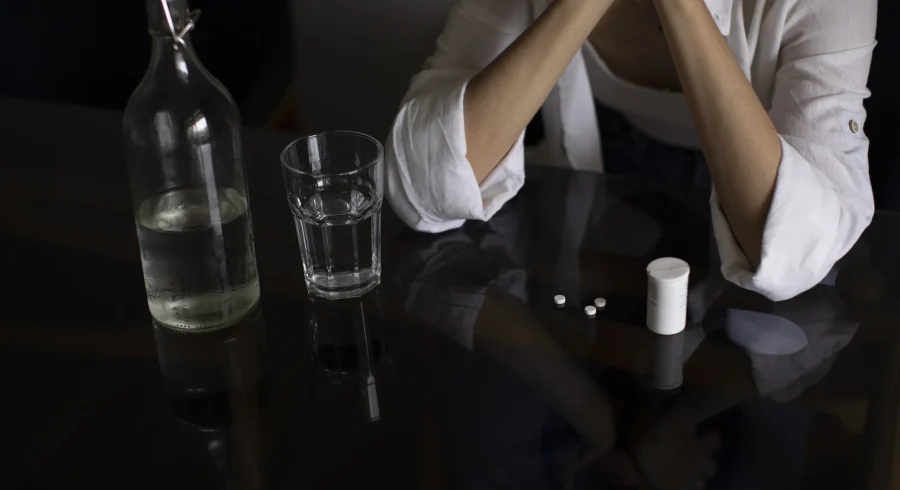
We all experience moments of anxiety or worry, but if these feelings leave you feeling drained, unwell, or depressed, and start to disrupt your daily life, it could be more than just temporary stress.
If you’re looking for natural ways to reduce anxiety and improve your mental well-being—or want to complement your current treatment—Chinese Medicine might offer the relief you need.
How can we help?
Chinese Medicine can ease feelings of anxiety and related symptoms, making the mind and the body more resilient against over-reaction to stress and the challenges of life.
Chinese Medicine treatments for anxiety can help reduce symptoms by acting upon the nervous system, regulating heart rate and blood pressure and facilitating the release of serotonin, endorphins and noradrenaline, which are known to alleviate emotional and physical pain.
Treatments will usually consist of a personalised blend of Acupuncture and herbs, alongside recommendations on diet and lifestyle, meditation and exercise suggestions. They will be tailored to the patient’s unique constitution and imbalances and adjusted as symptoms and issues improve.
The therapeutic goal of Chinese Medicine is to treat both body and mind. With anxiety, this is achieved through a comprehensive approach that addresses and treats the underlying physical causes of the condition while contributing to relaxation and an overall sense of well-being.
Select a Condition
How quickly will you see results?
We usually expect noticeable effects after a few weeks of treatment, and consistent ongoing improvements of symptoms onwards.
Healing time depends on the patient and the severity of the condition.
Some patients might feel immediate relief and a deep sense of calm after just one session of Acupuncture. Some others might need a few weeks to start feeling a difference.

About Anxiety
Anxiety is clinically defined as a persistent feeling of worry and uneasiness of mind, accompanied by physical sensations such as heart palpitations, dizziness, and sweating.
From time to time, everyone experiences temporary feelings of anxiety. This is a totally normal response to the challenges of life. In fact, anxiety is actually a healthy and useful emotion, meant to keep you alive and safe.
Technically called ‘normal adaptive anxiety’, it plays a crucial role in the body’s built-in survival system, making you alert and ready to ‘fight or flight’ when threat and danger, whether real or perceived, are in sight.
An anxiety disorder is when feelings of fear and distress are prolonged and ongoing, they occur for no particular reason and affect your ability to sleep, focus, and do daily tasks. This requires proper addressing and treatment.
A wide array of conditions are listed under the umbrella term ‘anxiety disorder’ in the Diagnostic and Statistical Manual of Mental Disorders. These include Generalized Anxiety Disorder (GAD), Social Anxiety, Obsessive-Compulsive Disorder (OCD), Post Traumatic Stress Disorder (PTSD), Phobias, and many others.
They all share features of excessive nervousness and fear of future threats, combined with a variety of physical and emotional symptoms ranging from mild to severe, such as throbbing headaches, nausea, sweating, dizziness, heart palpitations, fatigue, aching pains, obsessive thoughts, irritability and insomnia.
If anxiety is impacting your life and it’s out of control, then it is essential to seek help and find solutions that can work for you.
Western Medicine view
In the Western Medicine view, anxiety disorders are thought of as exaggerated responses to stress.
They are associated with a wide variety of factors, from life experiences and upbringing to physical injuries and emotional traumas, from abnormal functioning of the nervous system and altered levels of brain chemicals to genetic make-ups that make one more prone to the condition.
Western medicine offers several options for the treatment of anxiety disorders and symptom management. These generally include psychological therapies such as cognitive behavioural therapy (CBT), self-help and medications such as antidepressants and benzodiazepines, often referred to as sedatives.
Drug therapy is fast-acting and can bring immediate relief. However, it might not be for everyone and might not be a viable long-term solution.
Chinese Medicine view

Chinese Medicine acknowledges the interconnection between the mental, emotional and physical self as well as the closeness between human beings and the environment they live and interact with.
External factors, such as a traumatic event or an abusive childhood, will have an impact on one’s mind and body and will end up affecting both physical and mental health.
If these are not addressed properly, future adverse events might worsen the condition, further weakening the already impacted Zang-fu organs and potentially leading to chronic anxiety.
Chinese Medicine approach focuses on relieving symptoms of anxiety as well as correcting the physical imbalances at the root of anxiety, for good.
This involves Acupuncture and herbs to stimulate calming neurotransmitters and to strengthen the Zang-Fu organs that suffer during stress.
The goal is to enable the body and mind to deal with both external events and internal thoughts in more efficient and healthy ways.
Chronic anxiety can be caused by many syndromes. A common one is ‘Empty Heat’ – disruptive hot energy and a lack of cooling energy. This manifests in palpitations, night-sweating, dry mouth and rapid pulse. It is treated with cooling herbs and by promoting a healthy, balanced circulation.
Lifestyle Advice
Anxiety flourishes in a flawed mental and physical ecosystem and lifestyle changes are as essential and crucial as the right course of treatment.
This will help you cope better with the challenges of life as you move forward on your way to recovery from anxiety disorders.
It takes time to create new habits, but with consistent practice, these habits will help alleviate stress and reduce anxiety symptoms.